
What is a Hybrid Generator?
And is it cheaper to run than diesel?
Introduction: why hybrid generators exist
Hybrid generators are designed to reduce diesel use without compromising power availability. They combine a conventional diesel generator with battery storage, allowing power to be supplied from either source depending on demand.
They are not a replacement for diesel generators in every scenario. Instead, they address a specific operational problem: diesel generators are least efficient, noisiest, and most polluting when running at low or variable loads. Hybrid systems exist to reduce those inefficiencies.
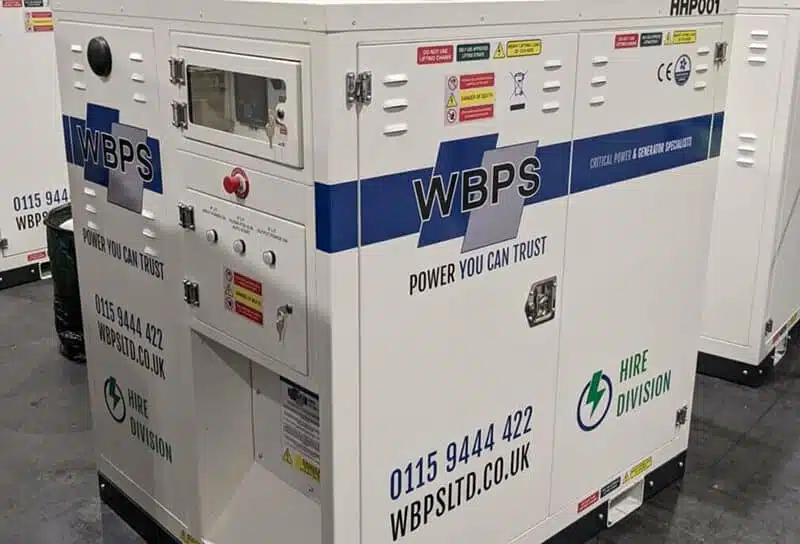
What is a hybrid generator?
A hybrid generator combines two power sources:
-
a diesel-powered generator
-
a battery energy storage system
Both can supply electricity to the site. The system automatically decides when to run the diesel engine and when to draw power from the battery.
In simple terms:
-
when demand is low or intermittent, power is supplied from the battery
-
when demand increases or the battery needs recharging, the diesel generator runs
-
excess energy from the generator can be stored in the battery rather than wasted
This approach is similar in principle to hybrid vehicles, but applied to stationary or site-based power generation.
Where hybrid generators fit into a real power strategy
Hybrid generators are best understood as efficiency and optimisation tools, not just low-carbon alternatives.
They are typically used where:
-
power demand fluctuates
-
generators would otherwise run for long periods at low load
-
noise, emissions, or fuel cost are constraints
-
uninterrupted power is required
They are commonly specified for healthcare facilities, data centres, utilities, construction sites, and remote locations where fuel logistics and operating costs matter.
Is a hybrid generator cheaper to run than diesel?
Often, yes — but not always.
Hybrid generators can be cheaper to run than conventional diesel generators when:
-
the site has long periods of low or variable load
-
the generator would otherwise idle or run below ~30–40% load
-
fuel costs, servicing, or noise restrictions are significant
In these situations, hybrids reduce diesel runtime, which lowers:
-
fuel consumption
-
servicing frequency
-
wear on moving components
However, a hybrid generator is not automatically cheaper in all cases. Upfront costs are higher due to batteries, power electronics, and control systems. If a generator already runs at a steady, high load for long periods, the fuel savings may be limited.
The economic case depends on how the generator is actually used, not its headline rating.
Key benefits of hybrid generators
Reduced diesel consumption and emissions
Because the diesel engine does not need to run continuously, fuel use and exhaust emissions are significantly lower in many real-world applications.
Lower maintenance burden
Diesel engines incur wear whenever they run. By shifting part of the workload to batteries, hybrid systems reduce engine hours, extending service intervals and component life.
Improved efficiency at low load
Conventional diesel generators are inefficient when lightly loaded. Hybrid systems avoid this by allowing batteries to handle low-demand periods while reserving diesel operation for efficient load ranges.
Reduced noise and vibration
When operating on battery power, noise and vibration are effectively eliminated. This can be critical in urban, residential, or healthcare environments, or where work must continue outside normal hours.
Faster response to power loss
Battery systems can supply power almost instantly, avoiding the short delay associated with diesel generator start-up. This is particularly valuable where continuity is critical.
When a hybrid generator may not be the right choice
Hybrid generators are not always appropriate.
They may be less suitable when:
-
the load is consistently high and stable
-
fuel efficiency is already optimised with conventional diesel
-
space or weight constraints make battery storage impractical
-
capital cost is a dominant constraint
In these cases, a well-specified conventional generator may be simpler and more cost-effective.
Summary: when hybrid generators make sense
A hybrid generator is usually a good fit when:
-
power demand varies significantly
-
diesel generators would otherwise run inefficiently
-
fuel cost, noise, or emissions are important constraints
-
uptime must be maintained without interruption
They are not a universal replacement for diesel generators, but in the right application, they reduce operating cost, environmental impact, and mechanical wear.
Next steps
Before specifying a hybrid generator, assess:
-
your typical load profile, not just peak demand
-
how often the generator would run below optimal load
-
fuel cost and servicing implications
-
noise, emissions, and site constraints
A specialist provider should model these factors and explain whether hybrid technology delivers genuine operational benefit — or whether a conventional solution is more appropriate.